60 is a 30-minute cinematic exploration of Iran in 1982 (1360 SH), produced by Aria Tusi, from a Bahá’í–Muslim family background. Blending 70% AI-crafted visuals with 30% archival & stock material, the film follows the trial of a Baha’i through the narration of two officers. While the film explores the theme of anger, expressions of it are viewed as unnecessary & counterproductive. The film also incorporates the government’s perspective & avoids presenting generalizations. Told mostly without dialogue, the narrative juxtaposes the aspirations of a new government with the realities of war. It features rare footage of then-President Khamenei speaking about Baha’is, found in French archives after more than 40 years. Please note: The facial features of the three main characters—the female officer, the male officer, & the Baha’i character—differ slightly at times because different AI models were used during production (2024–26). Film-related information is available at the bottom of the page.

Trailer

Instructions: Simple, secure checkout through Stripe ($10). Viewing access is available for 1 hour after payment. A portion of the proceeds may support educational, humanitarian, & animal protection projects. Viewing Experience — Home Cinema: Best viewed by casting to a TV or using a projector with the lights off. Mobile: Headphones are highly recommended. Please refrain from copying and sharing any part of this film. For questions/requests, please use the email button at the bottom. Thank you for visiting.

Chapters
01Opening
02🌙 Shift
03En Route 🏠
04Warrant
05In the Patrol 🚙
06Night’s Edge
07Procession
08Khamenei
09Warden
10Park
11Winter
12📺 & Cinema
13Retrieved ✌️
14Spring
15Khamenei II
16Court
171360 Trial
18Siren
19Memorial 🏞️
20Violence
212003

Information Related to the Film

Timeline of Events, 1360 SH (1982/83)

Before 1982, Iran’s newly formed government had already faced an attempted coup, Iraq’s invasion, and the assassinations of senior officials—including the president and prime minister. Entering 1982, pressure stretched from armed rebellion in the north and west to war in the south, Soviet-occupied Afghanistan in the east, and bombings and underground networks in Tehran. Israel’s invasion of Lebanon and the suffering of Shia communities added another regional crisis, deepening the government’s sense of encirclement.

1. Jan. — Communist uprising: Maoist insurgents launched an armed rebellion in northern Iran and briefly seized parts of a major city.

2. Throughout the period — Western insurgency: Kurdish and leftist armed groups controlled or contested parts of western Iran while receiving money and weapons from Iraq.

3. Feb.–Oct. — Islamist-Marxist armed campaign: An opposition movement combining Islamist and Marxist ideas continued assassinations and attacks against government figures.

4. Feb.–June — Foreign backing strengthens Iraq: Gulf governments financed Baghdad while France, the Soviet Union, and China—already a major supplier—provided weapons, and the United States reduced Iraq’s diplomatic isolation.

5. Apr. — Alleged coup plot: A former foreign minister and others were arrested over an alleged plan to overthrow the government and assassinate the supreme leader.

6. June — Israel invades Lebanon: While pursuing Sunni Palestinian armed groups, Israel subjected Shia communities to occupation, failing to foresee that their fellow believers in Iran would rally to their defense.

7. July–Nov. — Iraqi Shias face repression: After an attack on Saddam, hundreds were detained, displaced, tortured, or later sentenced to death.

8. Sept. — Sabra and Shatila massacre: Israeli-allied Lebanese militias killed up to 3,500 civilians, including many Lebanese Shias, while Israeli forces controlled the surrounding area.

9. Oct. — Tehran truck bombing: A massive explosion in central Tehran killed about 60 people and injured hundreds.

10. Feb.–May — Communist crackdown and Soviet rupture: Iran outlawed the pro-Soviet communist party and expelled 18 Soviet diplomats over alleged espionage and military infiltration.

Now Is the Time to Choose a Vegan Diet—for Animals and the World

1. Respecting animals as sentient beings

A vegan diet and lifestyle seek, as far as practical, to choose animal-free alternatives in food, clothing, cosmetics, entertainment, labor, and other areas. Animals experience pain, fear, comfort, social bonds, and an interest in continuing their lives. Choosing animal-free alternatives recognizes that their bodies, offspring, milk, eggs, skin, wool, feathers, and labor deserve respect as parts of living beings rather than as commercial resources.

2. Ending confinement and deprivation

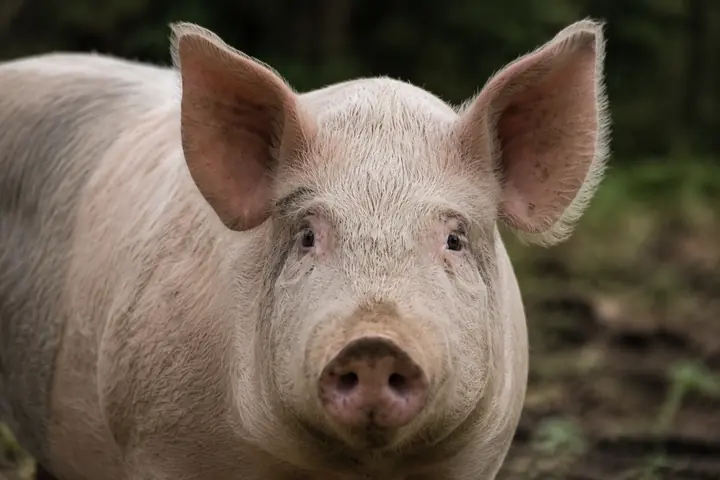
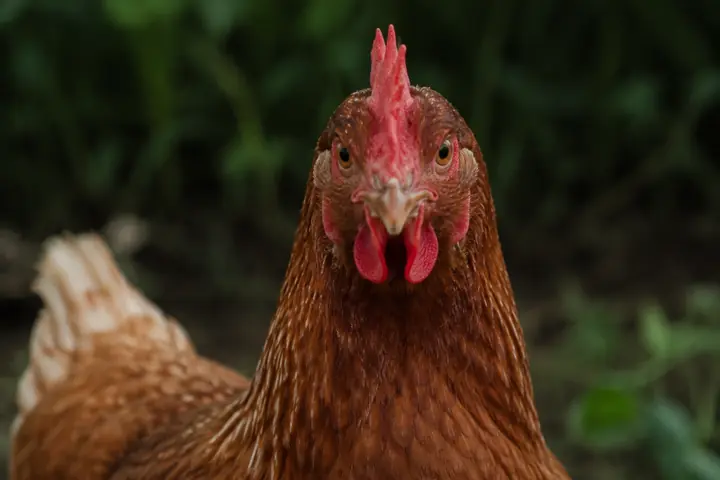
Egg-laying hens may be kept in cages, pregnant pigs in narrow gestation crates, and calves in restrictive housing. Animals may lose basic freedoms such as walking, turning around, stretching their wings, nesting, foraging, socializing, or caring for their young. Overcrowding, isolation, manipulated lighting, forced molting, and poor housing can cause injuries, weakened bones, fear, frustration, and abnormal behavior.

3. Recognizing the suffering behind dairy and eggs

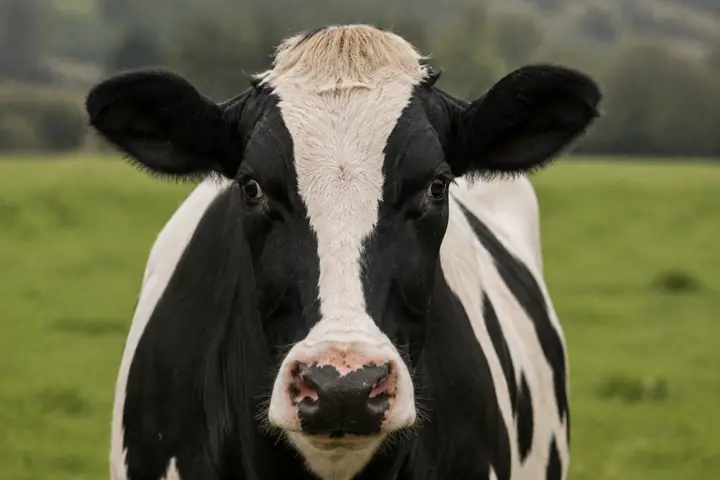
Milk production requires cows to become pregnant repeatedly, while calves are commonly separated from their mothers. Male calves may be slaughtered or raised for meat, and cows are killed when milk production declines. In egg production, male chicks are often killed because the industry values hens for laying eggs, while hens are slaughtered after their productivity falls. Free-range and organic labels may improve certain conditions while still including breeding, separation, hatchery killing, transport, and premature slaughter.

4. Preventing painful procedures and harmful breeding

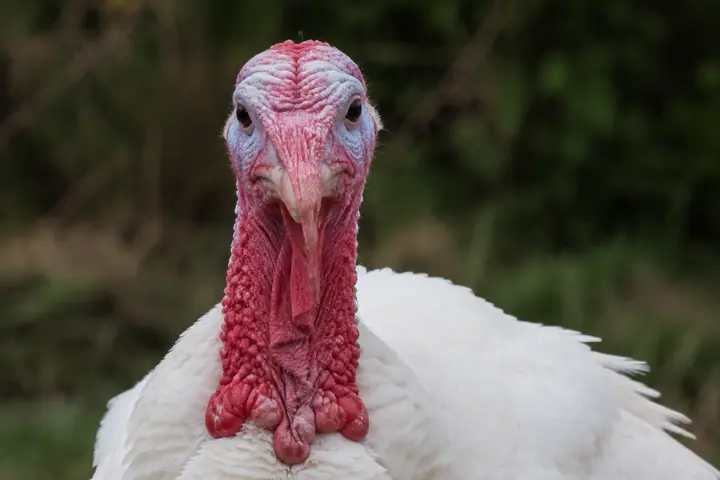
Farmed animals may undergo beak trimming, castration, tail docking, dehorning, branding, and other procedures, sometimes with inadequate pain relief. Selective breeding also pushes animals beyond healthy physical limits: chickens may grow too rapidly to support their bodies, dairy cows may suffer mastitis and lameness, and pigs and turkeys may develop skeletal, reproductive, breathing, or cardiovascular problems.

5. Avoiding suffering during transport and slaughter

Animals may be transported for long periods in crowded trucks or ships with limited space, rest, food, water, or protection from extreme weather. Loading, restraint, stunning, and slaughter can involve fear, injury, rough handling, or ineffective stunning. Local, organic, humane, and free-range labels still include the final journey and the loss of life.

6. Protecting fish and other aquatic animals

Fish and other aquatic animals can experience pain and distress. Commercial fishing may cause crushing, suffocation, decompression injuries, temperature shock, and prolonged death. Bycatch kills large numbers of other animals, including turtles, seabirds, dolphins, and sharks. Aquaculture can involve overcrowding, disease, parasites, pollution, stressful handling, and harmful effects on surrounding ecosystems.

7. Protecting wildlife, bees, and animals used beyond food

A vegan lifestyle also reduces support for hunting, wildlife farming and trafficking, live-animal trade, fur, leather, wool, feathers, silk, honey, animal testing, and other forms of exploitation. Wildlife use can threaten species, damage ecosystems, and place stressed animals from different environments into unnatural contact. Commercial honey production treats bees and their stored food as commodities and may also increase competition with wild pollinators.

8. Creating international change through everyday choices

Animal exploitation occurs in different forms throughout Asia, Africa, Europe, the Americas, the Middle East, and Oceania. Choosing legumes, grains, vegetables, fruits, nuts, seeds, tofu, plant milks, and animal-free products reduces demand for industries using animals. It also supports stronger protections, plant-based businesses, scientific alternatives, institutional change, and food systems based more closely on compassion.

9. Protecting climate, air, water, land, forests, oceans, and biodiversity

Animal agriculture contributes to methane and other greenhouse-gas emissions, air pollution, manure runoff, groundwater contamination, algal blooms, ocean dead zones, soil degradation, deforestation, and heavy land and water use. Large areas are used for grazing and animal-feed crops. Plant-centered food systems generally require less land and create lower emissions, allowing more space for forests, wildlife, ecosystem recovery, and carbon storage.

10. Improving food security, resource efficiency, and human health

Feeding crops directly to people is generally more efficient than first feeding them to animals, which consume much of the energy and protein. Plant-centered food systems can reduce pressure on farmland and freshwater, particularly in water-stressed regions. A well-planned vegan diet rich in legumes, whole grains, vegetables, fruits, nuts, and seeds may support healthier weight, cholesterol, blood pressure, blood-sugar control, digestive health, and lower risks of heart disease and type 2 diabetes.

11. Reducing outbreak and antibiotic-resistance risks

Intensive animal farming can crowd genetically similar animals together, allowing infections to spread and encouraging heavy antibiotic use, which contributes to antimicrobial resistance. Live-animal markets, wildlife exploitation, unsafe animal trading, and habitat destruction can bring wildlife, livestock, and humans into closer contact, increasing opportunities for diseases to cross between species. Reducing demand for intensive animal production and wildlife use can lower some of these pressures. Expanding plant-based food systems—together with habitat protection, sanitation, disease surveillance, strong veterinary standards, and responsible antibiotic use—can help prevent future outbreaks and protect human, animal, and environmental health worldwide.

12. Shared Religious Care for Animals

Early peoples relied on animal foods because of severe climates, uncultivated land, and limited farming knowledge. Furthermore, they were uneducated, violent, and crude, acting on instinct rather than intelligence. Even now, some isolated tribal groups still live similarly. Across major religions, teachings urge followers to treat animals with kindness and fairness. Religious texts that permit meat consumption usually refer to special circumstances involving a scarcity of plant-based foods. Although these texts lack explicit detail, their intention is clear: it would be contradictory for a religion to teach the value of animal life while simultaneously permitting its killing or harm.